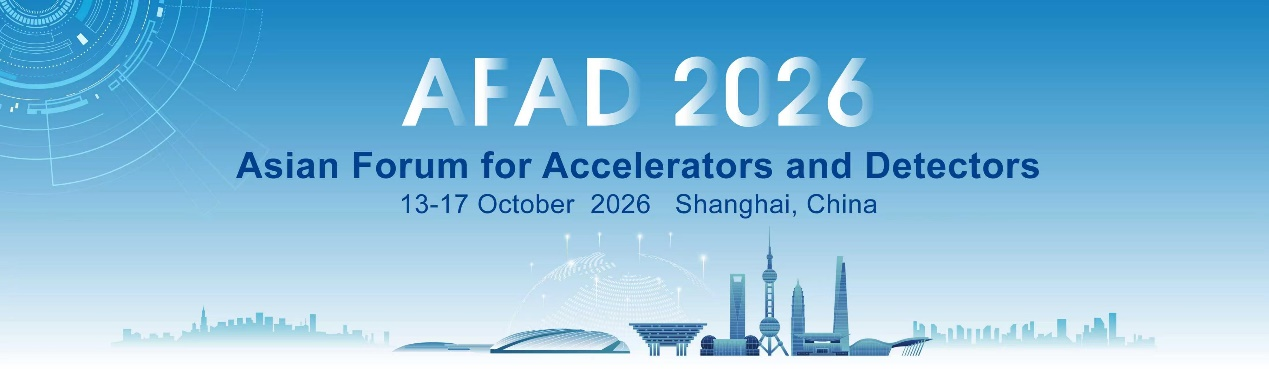
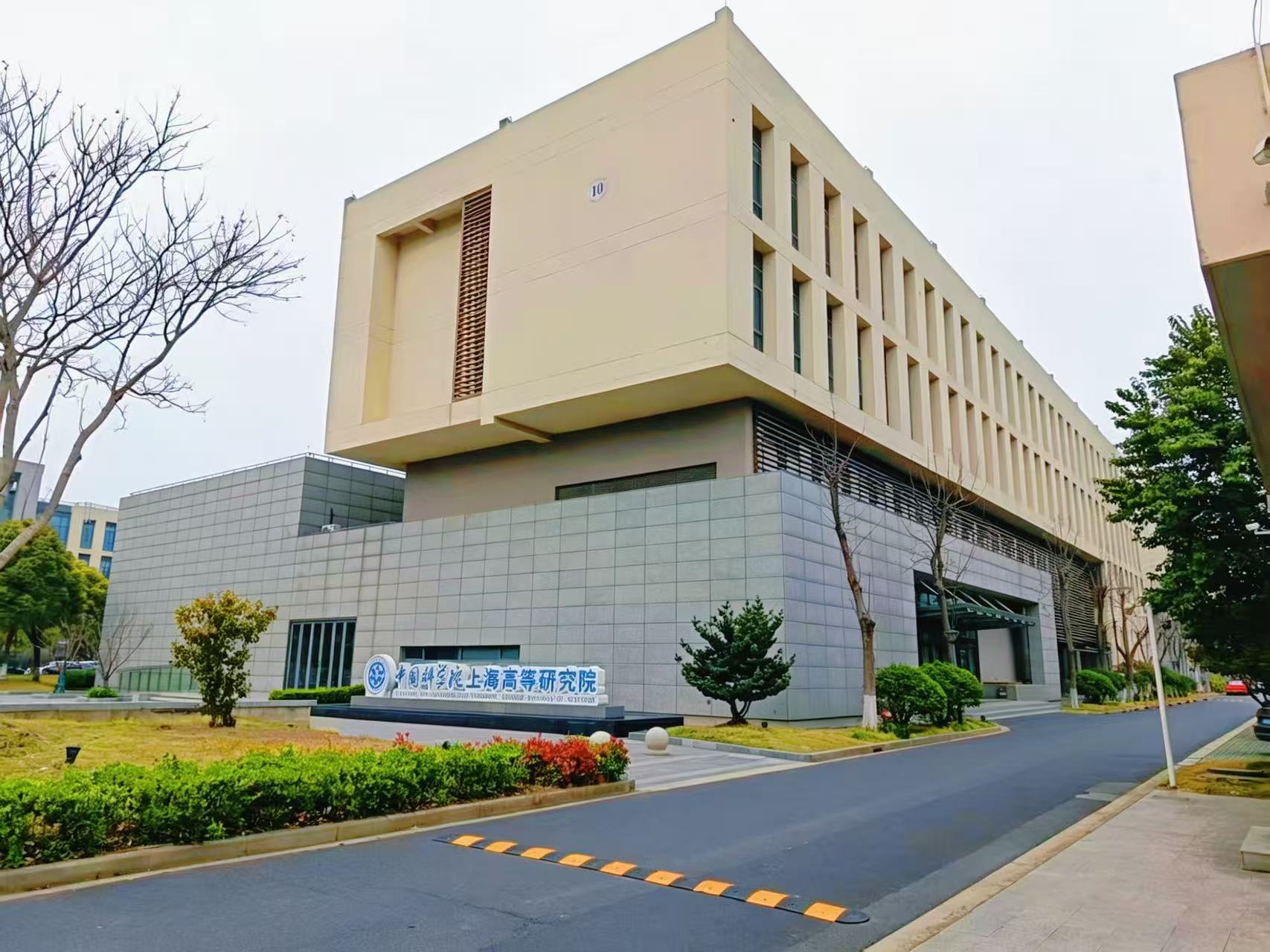
The 2026 Asian Forum for Accelerators and Detectors (AFAD2026) is set to be held in Shanghai, China, from October 13 to 17, 2026. Hosted by the Shanghai Advanced Research Institute, Chinese Academy of Sciences, the annual forum is organized under the auspices of the Asian Committee for Future Accelerators (ACFA). As a long-standing regional academic event, AFAD is dedicated to promoting continuous academic communication and in-depth research collaboration among universities and research institutions throughout Asia and Oceania. The conference features a well-structured schedule, with official registration on October 13, formal academic sessions running from October 14 to 16, and participants’ departure arranged for October 17.
Focusing on state-of-the-art accelerators, detectors and their supporting advanced technologies for scientific research, industrial and medical scenarios, AFAD2026 gathers global researchers to explore frontier innovations across seven core working groups. The key research topics cover accelerator and related technologies for photon science, comprehensive detector technology development, accelerator technologies for industrial and medical applications, innovative accelerator techniques, accelerator technologies for hadron and neutron science, network and computing systems, as well as cryogenics, cryomodule and superconducting technologies dedicated to accelerator facilities.
AFAD2026 serves as a pivotal high-end international platform in the accelerator and detector discipline. It enables scholars, engineers and industry practitioners to conduct in-depth exchanges over future development directions, cutting-edge technical concepts and mature practical applications of accelerator-related technologies. By bringing together outstanding talents and research achievements from across the region and beyond, the forum will effectively strengthen multilateral international cooperation, accelerate technological innovation progress, and drive the sustainable development of the global accelerator and detector research community.
To learn more about us, please click the link below: